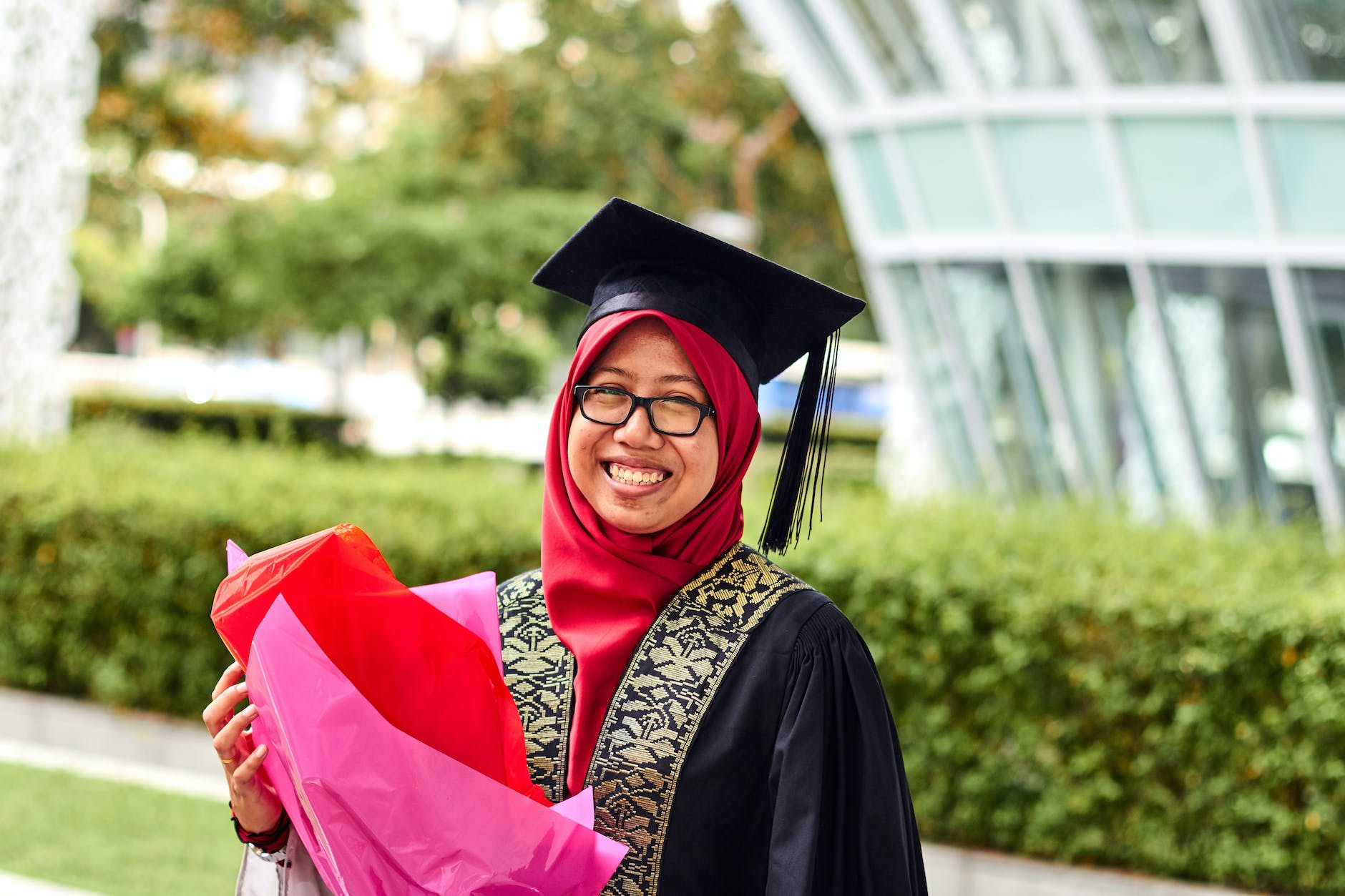
The news seemed to come and go with a bit of a whimper. Like the storm warning you were told would bring tornados and hail but only ended up getting some rain and a few thunderclaps. Last week Gallup reported that public confidence in higher education was at its lowest in some time. Since the early 2000s, the overall confidence in our universities and colleges has dipped year over year. In 2015, 57% of Americans reported a high level of confidence in higher education; by 2018, it had fallen to 48%. This past week, that confidence has dipped to 36%. Higher education now ranks alongside the media and government in terms of overall confidence. This is not a rain shower, this is a storm, and we must take cover.
While there were several media outlets who reported on this story last week, one person I often look to in these moments outlined why this is so worrying with his usual frankness – Kaplan Chief Partnership Officer Brandon Busteed. He wrote an op-ed in Forbes that made a lot of sense. Looking beyond the numbers in aggregate, you will find this 36%, like many other issues, falls along political lines. The gap in confidence in higher education between Republicans and Democrats is 37 points. In political terms, this is a Grand Canyon-sized fissure, not a valley. What he fears (and I share in this fear) is this gap will play out in many other ways. From presidential appointments to curriculum design to equity initiatives, there will be a battle for what and how higher education should be funded and performed in the entire country. We are already seeing it here in Florida. Discussions on presidential appointments at our state universities, university accreditation, and directed funding are creating a new normal in the Sunshine State.
So what is a university to do? Well, throwing a temper tantrum is not going to do it, neither is fighting the narrative. College is just one option for career success, and we need to embrace that. But we also cannot be shy about acknowledging when we are at our best, college is the premiere way young people can secure a lifetime of career and financial success. Sure, plumbers and electricians make good salaries and have a solid job, and we need more of them, but we actually need far more nurses, coders, and business analysts, if we are honest. According to the Florida Chamber of Commerce, Florida will need to produce a net 1.4 million more jobs to keep up with our economic goals by 2030. 65% of those jobs will require post-secondary degrees and certificates. Not all bachelor’s degrees, but a combination of university, community college, and vocational-technical degrees. The bottom line is most students will need some college after high school, but the kind of college differs. And that should be totally fine. The table is big enough, and the need is there.
Brandon will not likely remember this, but nearly 20 years ago, I had a discussion with him that changed my perspective on our college enterprise. I was a staff member at Stephen F. Austin, and we had just been rocked by a tragic alcohol-related death on campus. We scrambled to find a solution, and his company, at the time, Outside the Classroom, had recently fired up AlcoholEDU. This was an online training module aimed at curbing problem drinking through peer-normed information. And for us, it worked. Three years after implementation, our alcohol-related issues were cut almost in half. What Busteed said that stuck with me was (and I am paraphrasing here, “Doubling down on punitive action on students regarding alcohol will not solve the problem. It’s about giving them good information and letting them learn why better choices are the right call.” Essentially, better information leads to better results.
Higher Education is terrible at narrative and telling our story. We often forget to show how this work impacts our students for the better and generates wealth for many who did not have access to it in past generations. We like to talk about football wins and academic rankings, but these stories don’t mean anything to the average student. They want to know how this degree will help them meet their career and family needs. We must also be more forthcoming with how our research will improve and extend lives. Higher education is the greatest gift we can give our citizens, but we need to communicate this better. And it does not take a total overhaul of our industry, just an acknowledgment of our core mission and better storytelling to change the narrative. We are allowing others to write the story for us. Time to change that.
 Considering Outloud